
The Parent Trap
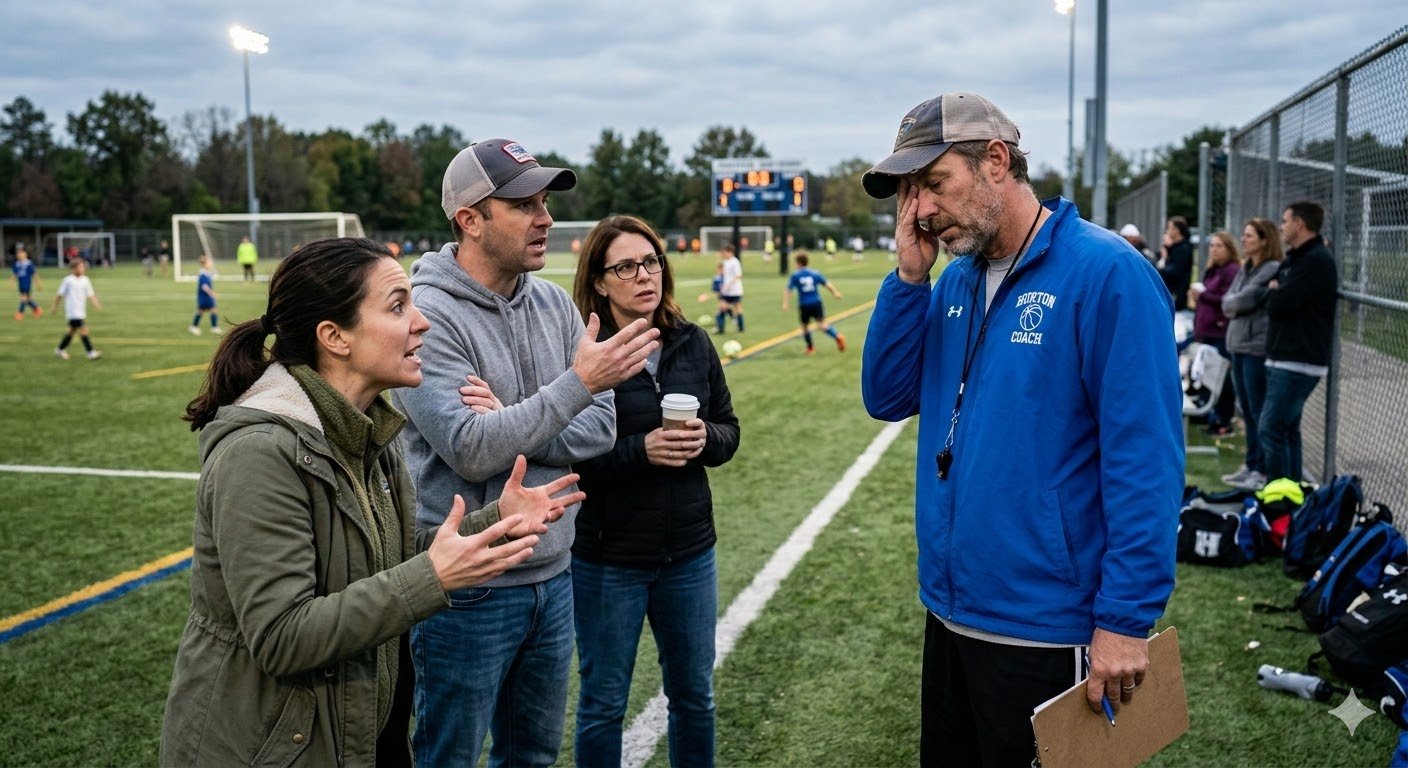
“Parents are the problem.”
I hear it every time I engage someone on the topic of current issues in youth sports. It doesn’t seem to matter if I’m talking to someone from hockey, basketball, soccer, volleyball… you get the idea. The one thing that so many stakeholders in youth sports agree on is that parents are creating the majority of the problems.
If this is in fact the case, we need to be asking one simple question: Why?
The answer is far more complicated, of course. Parents didn’t consciously and collectively decide to impose increased cost, time commitment, travel, and pressure on themselves. Those realities are the result of the rapid privatization of youth sports combined with a manufactured demand for improved results. Whether the system or parents initiated that demand is inconsequential at this point; it has infiltrated the culture of youth sports and caused otherwise rational adults to behave in irrational ways.
Allison Forsyth has witnessed this extensively as a professional and a parent. As a former Olympic athlete, recognized SafeSport expert, and Chief Sport Officer at Headversity, Forsyth is immersed in cases of alleged maltreatment and abuse in sport every single week. On the personal side, her three children are involved in several sports from hockey to cheer, so she sees the stresses parents encounter and how they manifest in their behaviours at arenas, gymnasiums, and fields.
“I have empathy for us parents, especially us parents that feel like we've been pigeonholed into keeping up with the Joneses. And what I mean by that is that pressure that we can feel, that if my son isn't playing hockey five to six days a week, he's not going to make the next level because everyone else's son is playing hockey five or six days a week.”
“So what does that mean? It means that I quite literally am in my pickup truck from 3 p.m. to 9 p.m. every day driving around. It also means that I am being told that I have to be in a sport environment five to six days a week. So why this matters is we are told, and we do choose, to invest a ton of time into this. So, it's not abnormal. I have PhD researchers doing a project right now called pardon my language here, ‘Why are sport parents losing it?’ because we're all actually good people.”

Allison Forsyth sees the effects of increased pressure in youth sports
If you have kids playing sports or you coach a youth team, you likely understand the pressure Forsyth describes. Most parents know what a powerful vehicle sport can be for building physical, mental and social skills in children, so they’re eager to enrol their kids for reasons beyond the competition itself. However, as opportunities like extra development sessions and select teams quickly arise, so too does the perceived pressure to keep pace.
“It's all self-imposed,” states Olympic gold medalist and Amazing Race Canada host, Jon Montgomery. “The government hasn't created new laws to say that nine-year-olds need to be in hockey 12 months of the year, or that 14-year-olds were supposed to be able to do double-back layouts on hard ground. These are ideals and ideas that parents and coaches, mostly from a money generating standpoint, have indoctrinated individuals to believe. That if your kid's not in this camp this summer, he's going to get left behind and he might not make that team.”
“And so, from a fear perspective, all of these things crop up. And when fear is present, somebody's going to take advantage of that. They're going to host a camp and they're going to put out a shingle to saying, ‘Hey, we can train your kids to be prepared for when they need to be prepared’. But if we can take a step back and realize that if your kid's going to be in the NHL, chances are the summer program isn't going to make the difference.”
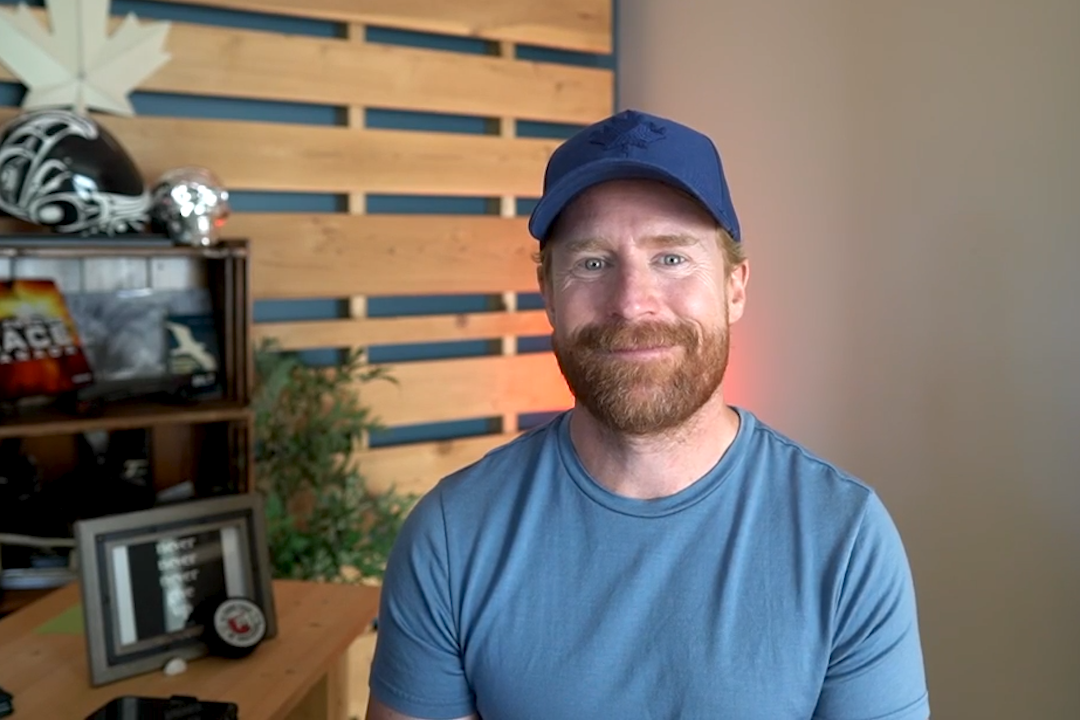
Jon Montgomery says fear is driving too many decisions in youth sports
In calm, rational conversations, parents understand this. They know the odds of their child “making it” are minute. They’re aware that mounting costs and time commitments have become too much of a burden. But when registration deadlines appear, limited spots are offered, and other families opt in, most parents follow suit out of fear that they’re not giving their child the best opportunity to realize their potential or keep up with their peers.
"Let's not pretend this is easy. As parents, we love our children and we want what's best for them,” acknowledges Terry McKaig, the former head of UBC Baseball who built Canada’s premier university baseball program on the Point Grey campus. However, McKaig also admits that parents quickly get caught up in whichever activity their child is participating in.
“We're competitors ourselves, and we live through our kids' experiences. We feel this pressure like, ‘I've got to do everything I can’. So, I'm going to pay this and send them on these trips and get them this training and do all of these things, and we lose touch with the fact that it might not be our son or daughter's dream."
The last part of that statement is of vital importance and deserves a blog post of its own, so I’ll delve further into it another day, and rather, address the conundrum that Forsyth, Montgomery, and McKaig have described.
For the most part, parents don’t like the current youth sports system. It demands too much time, costs too much money, and creates too much pressure. And yet, they are complicit in it. Despite their complaints, they reluctantly opt in, and resign themselves to the belief that they can’t change a system that’s so become so powerful and expansive.
The irony? Parents have far more power than they think.
“If all the parents are seeing it, but no one will say it, it's hard to make any kind of substantial change or conscious changes within the setups of youth programming. But all of a sudden, if 15 of the 20 parents are like, ‘Hey, we're seeing the results of this are not really good’ and all the parents are aligned, the clubs don't really have much choice,” explains Jay DeMerit, a former professional soccer player who captained both English side Watford FC and the Vancouver Whitecaps in MLS. DeMerit has been advocating for change in youth sports for more than a decade, and firmly believes parents hold more power than they realize to alter the current environment.
“I do think if you come with consciousness as far as solution-based thinking, I think that there are a lot more clubs that are starting to be more open to feedback in those realms. It used to be that this is our program, parents aren't even allowed to come to training, you're not allowed to watch, you're not allowed to say anything, you're not allowed to yell, you're not allowed to have opinions essentially.”
“I think we're moving away from that again, thankfully, where as long as we're creating communication channels and we're creating a forum where we can all be heard in one place, I do think that there are a lot of clubs finding better solutions [rather] than staying in a hierarchy position and saying, ‘You don't have a say as a parent’.”
So, this is where we find ourselves as parents. We are fueling a youth sports environment that isn’t delivering what we want for our children, but we haven’t exercised the collective leverage we have out of fear that our kids will be denied the great benefits sport has to offer.
As I always respond to those who tell me parents are the problem:
“Perhaps,” I concede. “But they are also the solution.”
